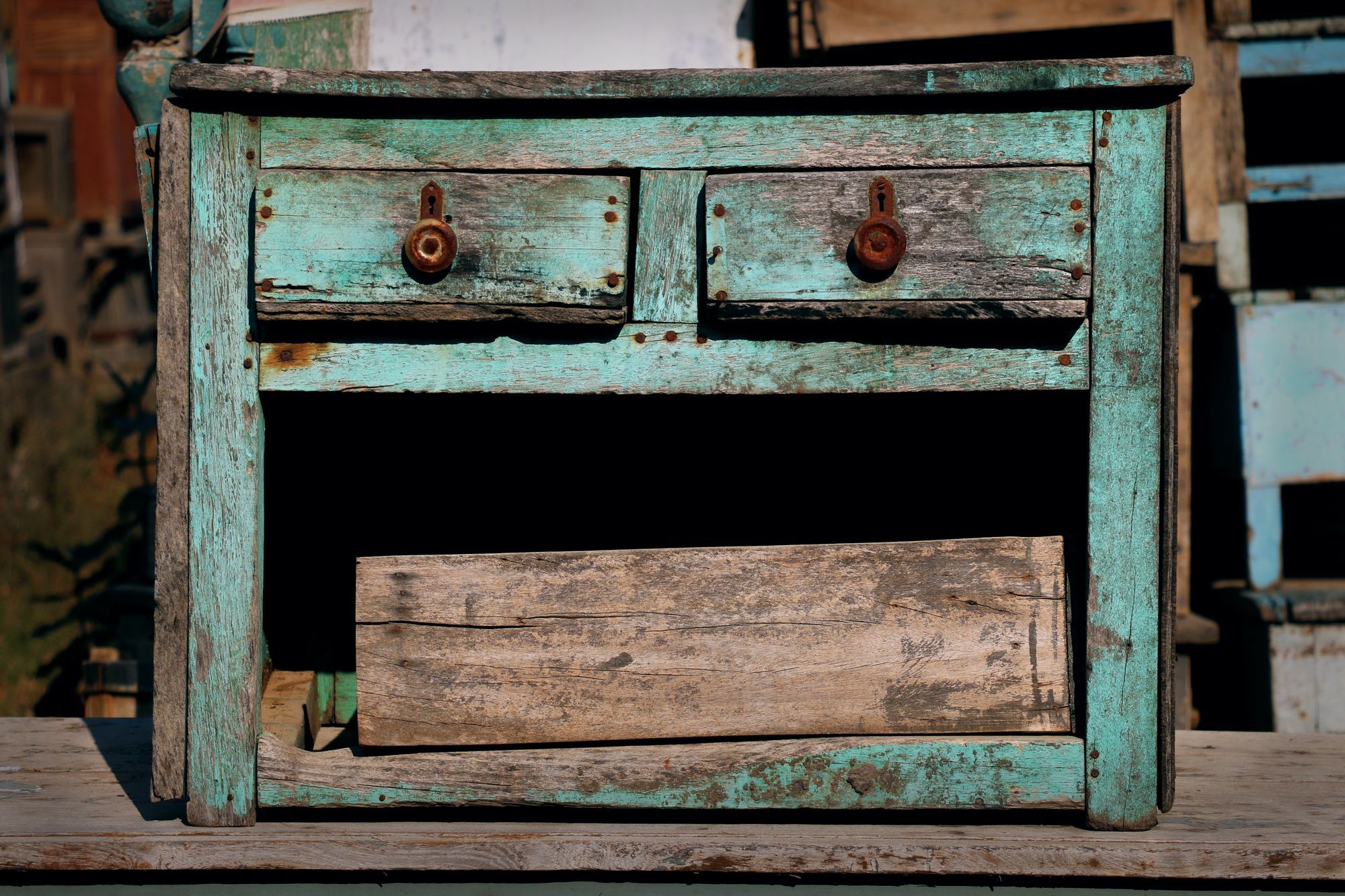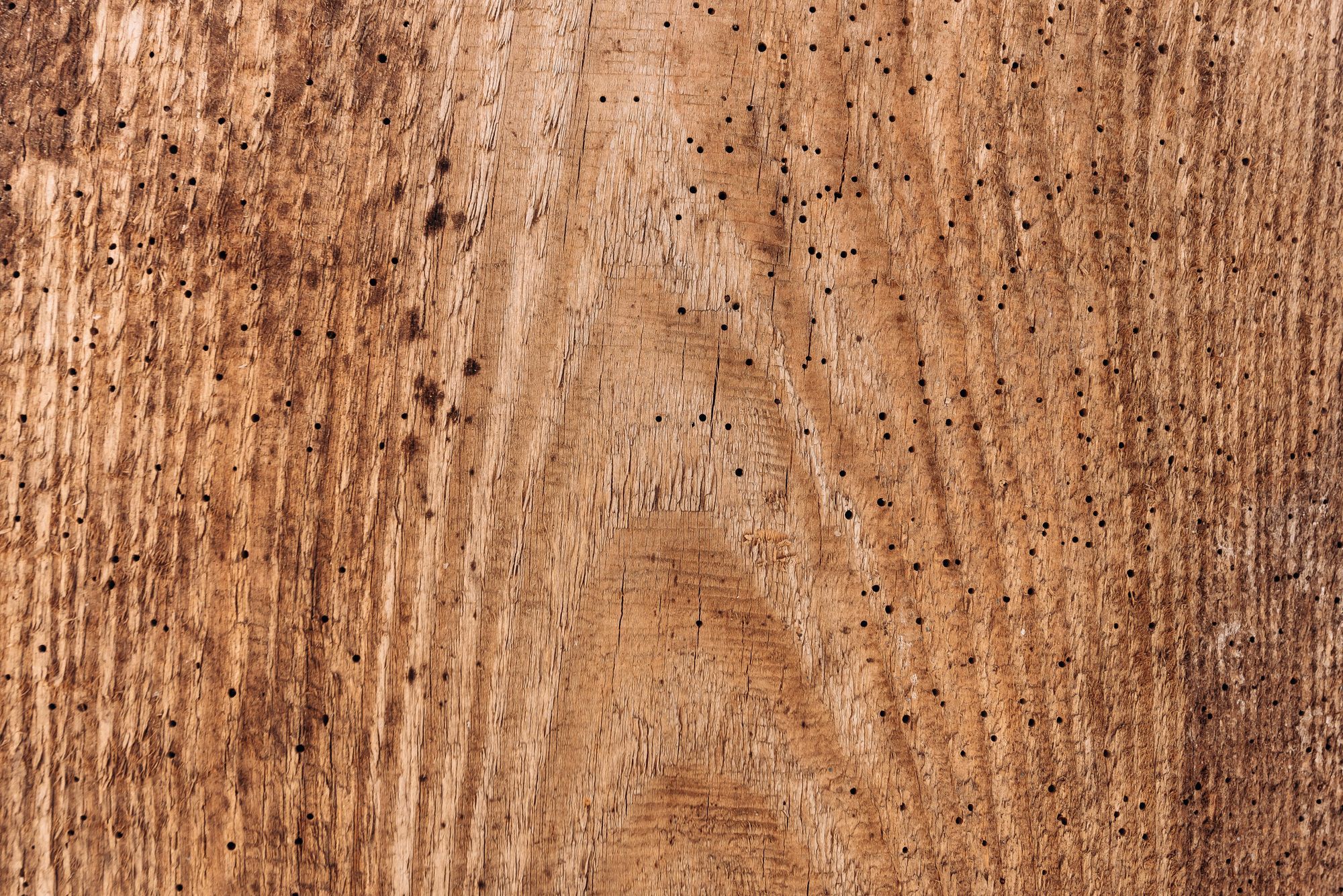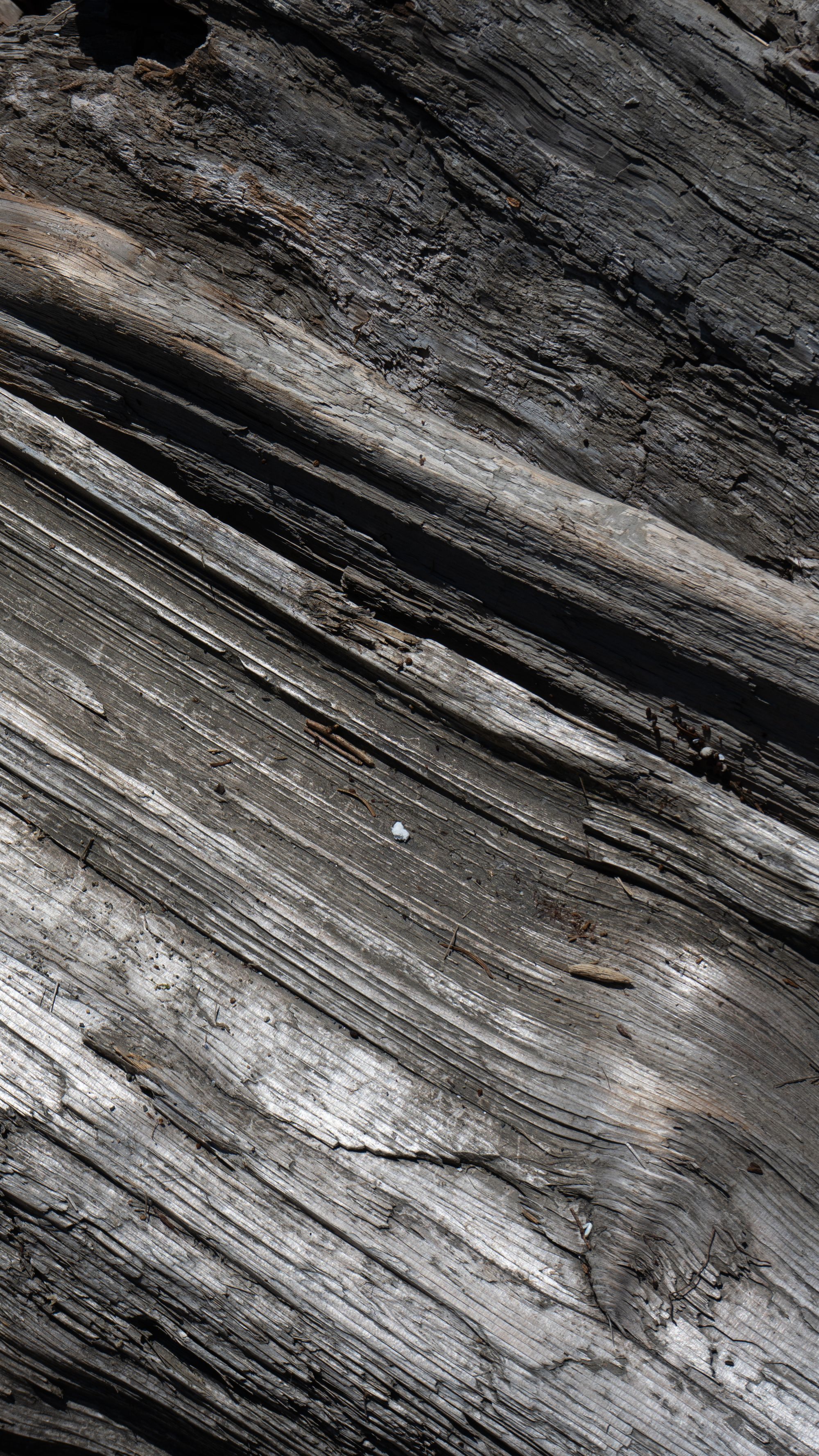
Wood never really stops moving. It takes on moisture from the air and swells; it gives moisture back and shrinks. A piece that has lived in Singapore’s natural humidity for decades has settled at a high moisture content, and every joint and panel was fitted to that state.
Move it into a room that is air-conditioned for twelve hours a day and the timber starts drying out. Wide panels shrink across the grain and, if they are held fast by their frame, they split. Glue lines that were happy for a lifetime let go. Drawers that fitted perfectly rattle in their openings.
What the damage looks like
The first signs are usually a hairline crack along the grain of a top or a door panel, a chair that starts to creak, or a gap opening up where two boards were joined. None of these are emergencies, but all of them get worse if ignored, because each cycle of cold and humid widens the gap a little.
What we do about it
Splits are cleaned, closed and glued where they will close, or filled with a sliver of matching timber where they will not. Loose joints are taken apart and re-glued. We finish with a coat that slows moisture exchange without sealing the wood completely, so the piece can still breathe.
Just as important is placement. Keep old furniture away from the air-conditioning outlet and off exterior walls that get hot in the afternoon. If a room is chilled all day, a tray of water or a plant nearby does more good than people expect.
When to call us
If a crack is wider than a credit card, if a joint has visibly moved, or if a drawer or door no longer closes, it is time. Send photographs and we will tell you whether it needs attention now or can wait.