In a warm, humid climate, insect damage is one of the most common reasons old furniture reaches us. The good news is that it is usually found before it is too late, as long as you know what to look for.
Signs of woodworm
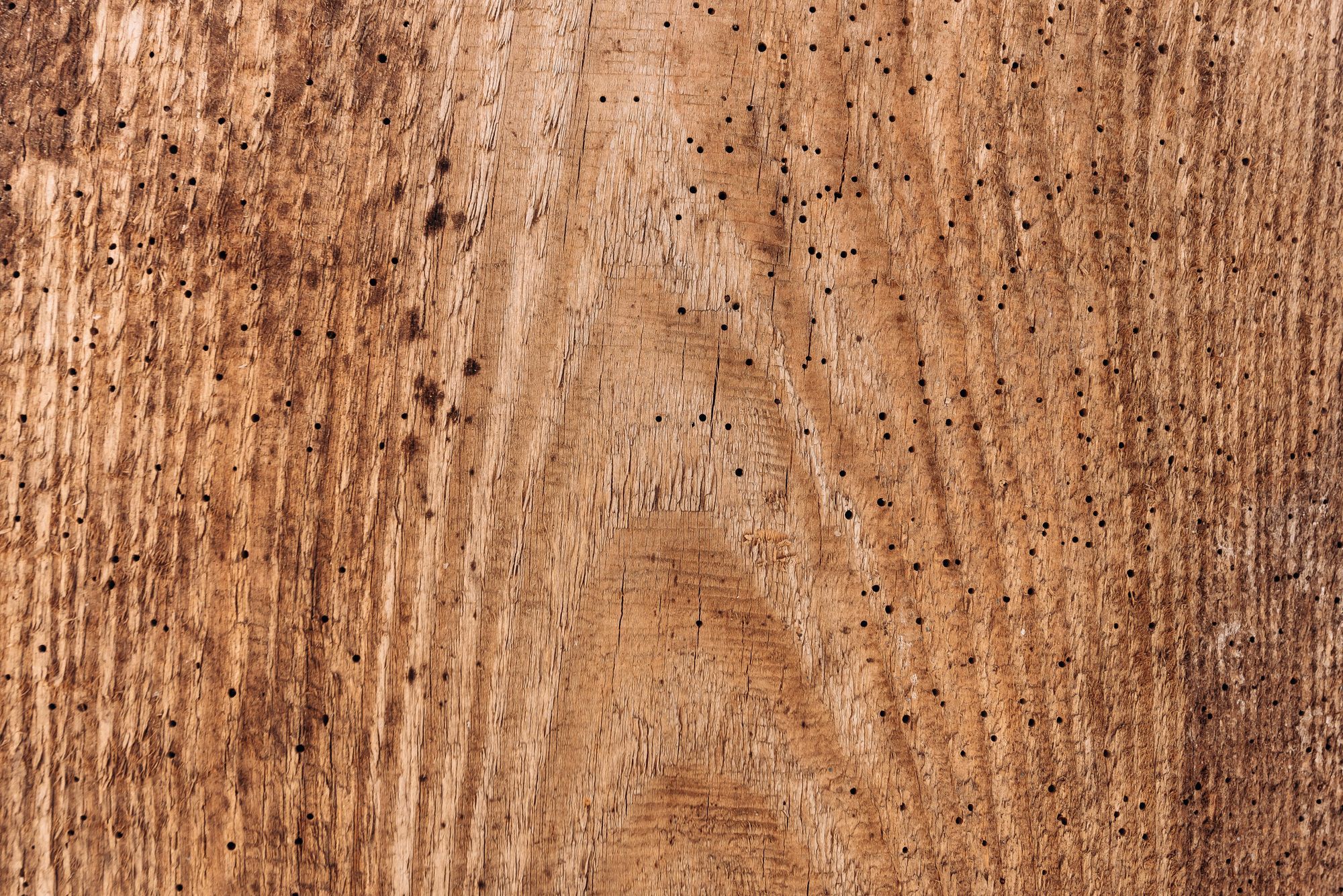
Small round holes, often one to two millimetres across, are where adult beetles have left the timber. Old holes on their own are not a worry; they may be decades old. What matters is fresh activity: little piles of fine, pale powder underneath the piece or inside drawers, and holes with clean, light-coloured edges.
Signs of termites
Termites work from the inside, so the surface can look perfect. Look for thin mud tubes on walls, floors or the piece itself, timber that sounds hollow when tapped, wings shed near windows or lights, and small droppings that look like grains of sand. Damage is often worst where furniture touches a wall or the floor.
What to do in the first 24 hours
Move the piece away from walls and other furniture so nothing else is affected. If you see fresh dust, put a sheet of dark paper underneath and check it the next day; new dust confirms the problem is active. Photograph the holes and the dust, and the underside of the piece.
Do not spray household insecticide into the holes. It rarely reaches the insects, it can stain the timber, and it can make proper treatment harder.
Can it be saved?
Most of the time, yes. Active infestation is treated before any restoration starts. Timber that has been weakened is consolidated, and sections that are too far gone are replaced in matching wood. If a piece is beyond saving, we will tell you so from your photographs.