A reversible repair is one that a future restorer can undo without harming the original piece. If the adhesive we use can be softened and released, if a new part can be removed without damaging the old one, and if a retouched area can be cleaned back to what was there before, the work is reversible.
Why it matters
No repair lasts forever. Glue ages, timber keeps moving and pieces get knocked. At some point, decades from now, someone will need to work on your piece again. If our repairs can be taken apart cleanly, that person starts with the original piece plus our work. If they cannot, they start by cutting our work out, and original material goes with it.
It also matters for value. Collectors and dealers look closely at how a piece has been restored. Repairs that can be undone, and that have kept original material, are viewed very differently from ones that cannot.
What it looks like in practice
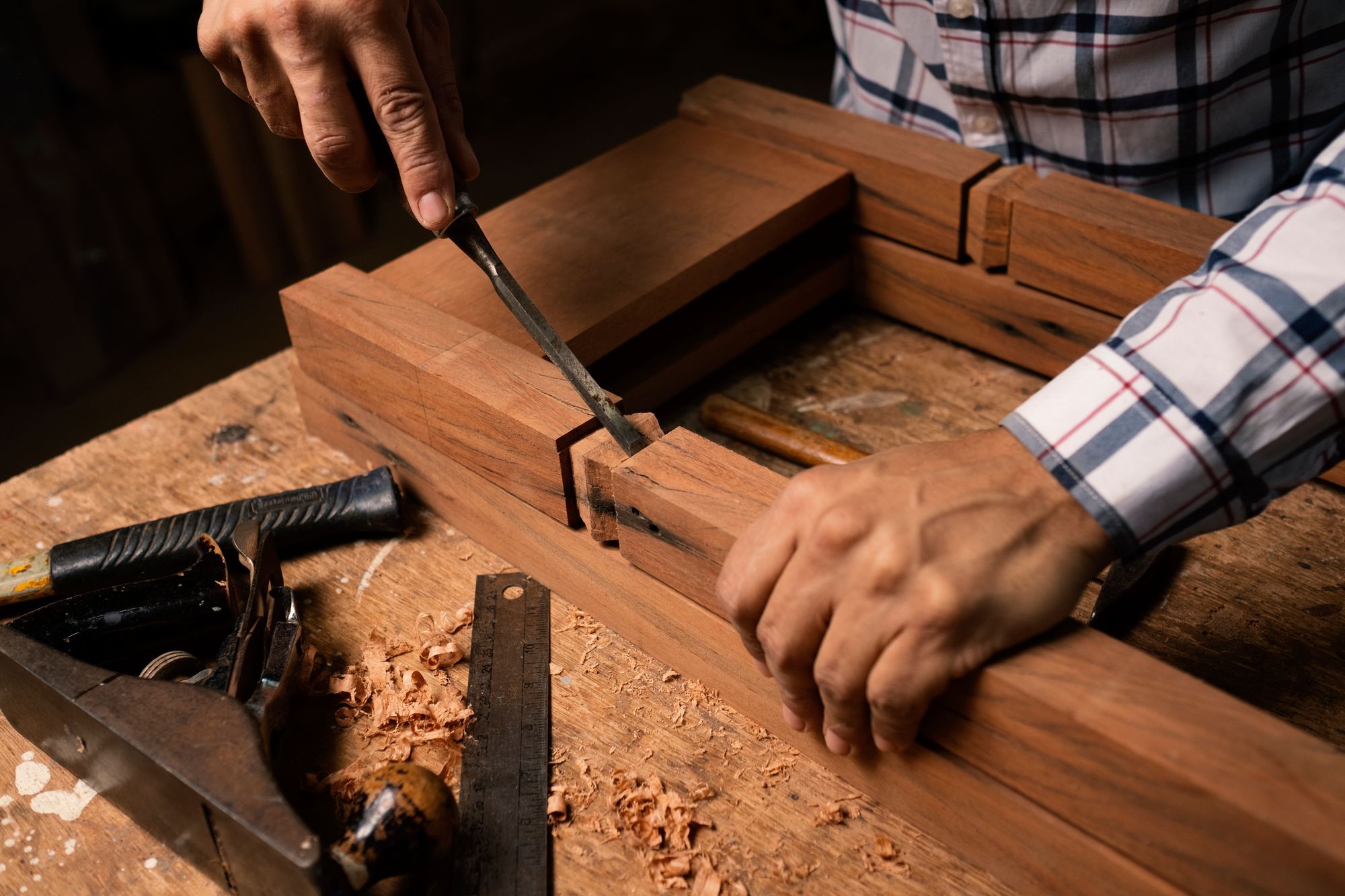
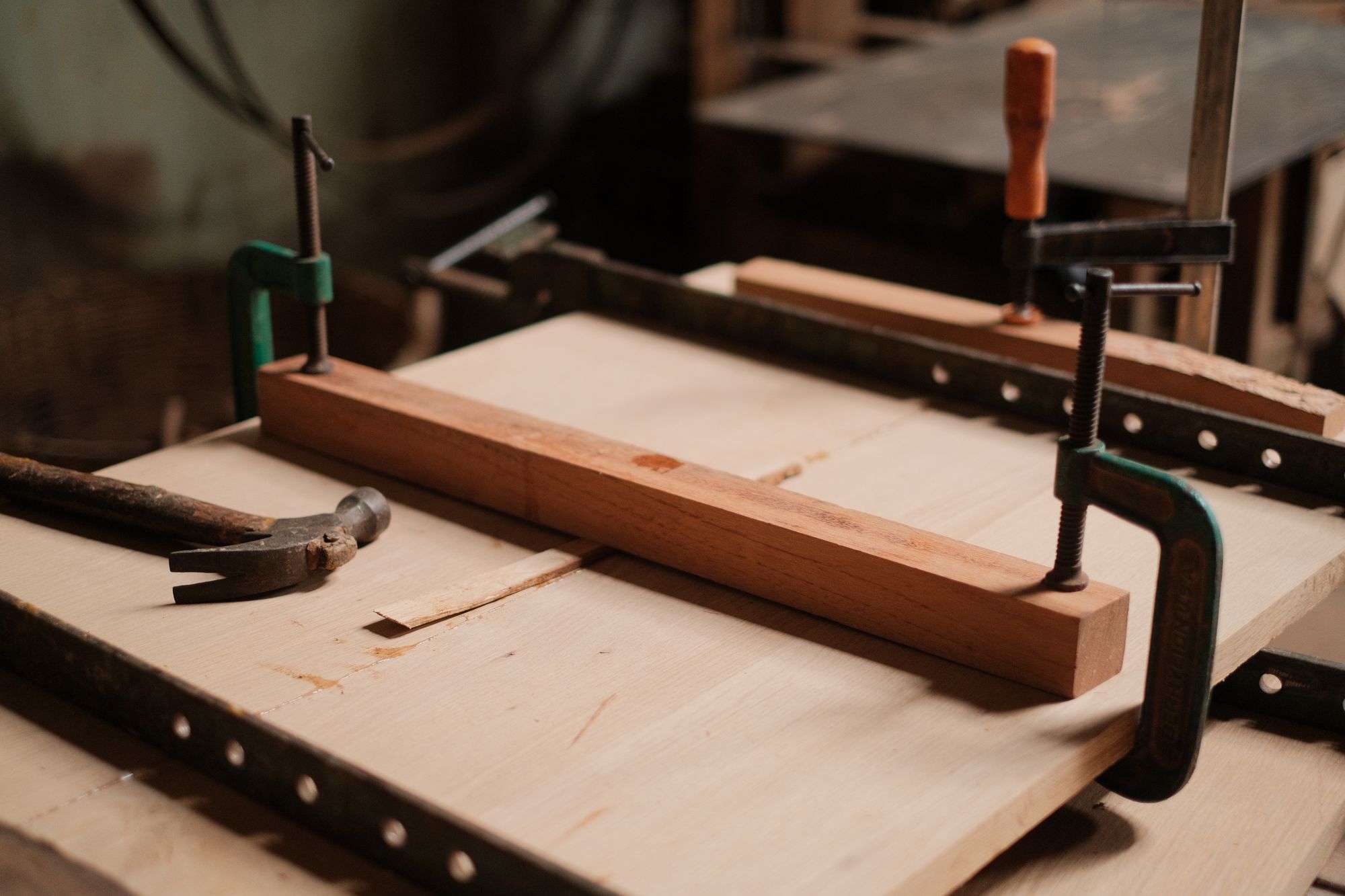
Joints are glued with adhesives that can be released with heat and moisture, rather than modern glues that set permanently. New parts are fitted to the old, not the old cut back to fit the new. Retouching sits on top of the original surface rather than replacing it. And every step is photographed and written down, so the next person knows exactly what was done.
Why we work this way
The habit comes from the art side of our group, where reversibility is a basic rule of conservation. It carries over naturally to furniture and objects. Our job is to keep a piece going for the next generation, not to leave our mark on it.